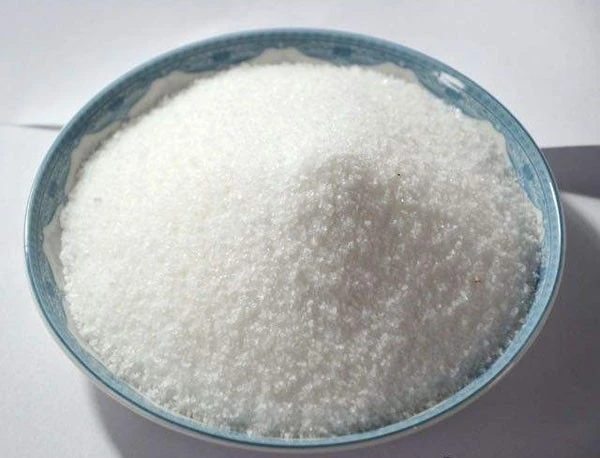
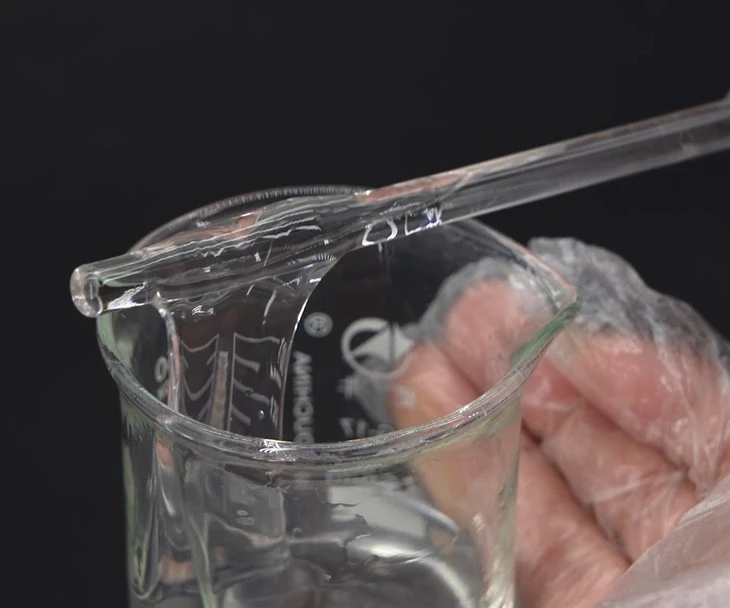
Polyacrylamide (PAM), -[CH2CH]nCONH2-
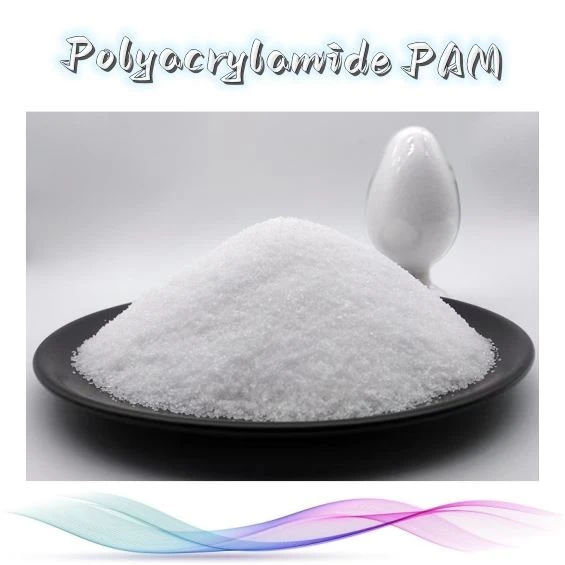
Polyacrylamide (abbreviated PAM or PAAM), with the formula -[CH2CH]nCONH2-, is a polymer formed from the polymerization of acrylamide monomers. As a lubricant, suspension agent, clay stabilizer, oil displacement agent, water loss reducer and thickening agent, polyacrylamide has been widely used in drilling, acidification, fracturing, water plugging, cementing, secondary and tertiary oil recovery, and is a very important oilfield chemical.
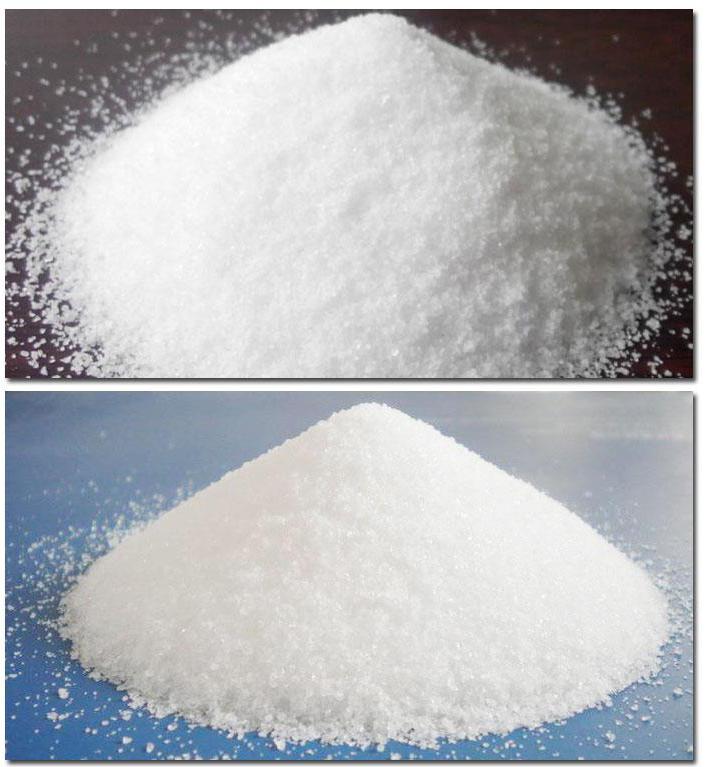
non-ionic (NPAM), cationic (CPAM), anionic (APAM) and Amphionic (Amphionic PAM)
The polyacrylamide is water -solution high polymer with good flocculanting activity can reduce the friction resistanca between liquid.
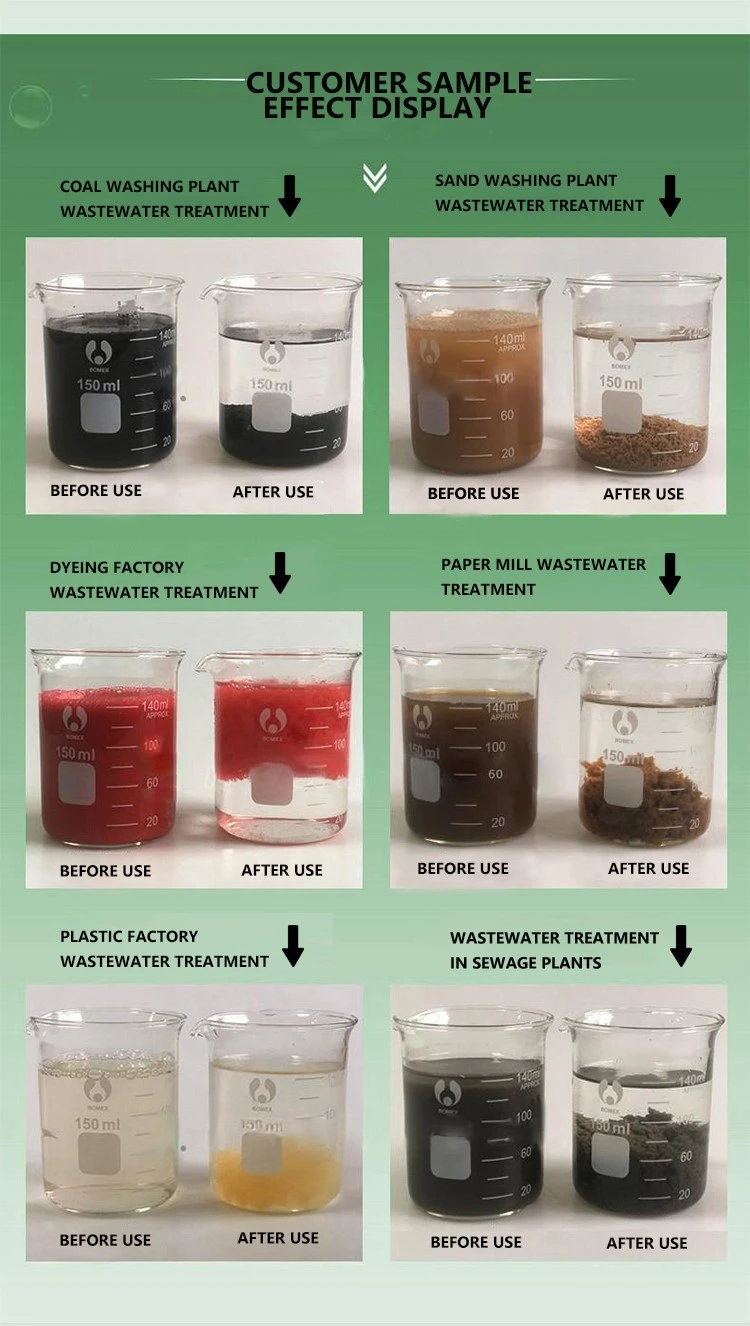
1.Flocculation: PAM can make the suspended material through electrical neutralization, play the role of flocculation.
2.Adhesiveness: The impurities can be bonded together to precipitate to the bottom.
3.Thickening Agent: In neutralizing acidic conditions have thickening effect, if the PH value is more than 10 PAM easy hydrolysis.
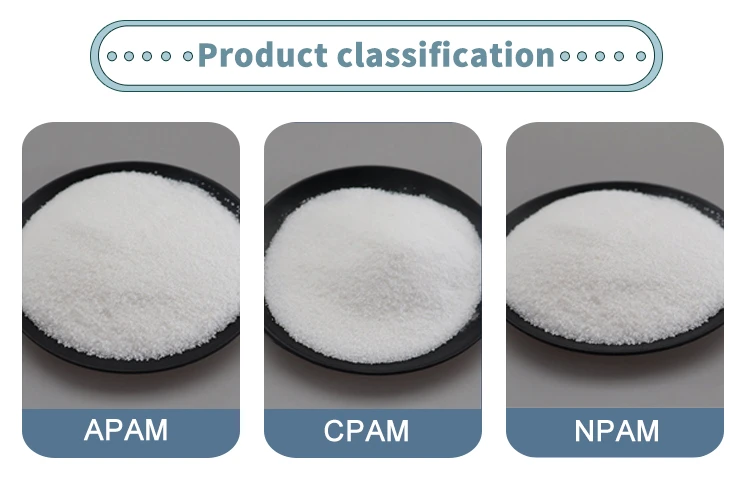
is one of the most widely used water-soluble polymers. Anionic polyacrylamide (APAM) include: ultra high molecular weight(over 25 million), high molecular weight(up to 20 million), medium molecular weight(about 16 million), Solid content over 89% .
include: medium molecular weight(over 15 million), low molecular weight(up to 8 million), Solid content over 89%.
|
|
|||||||
|
10-50% |
|
0.05-0.15 | ||||
| 800-1200Million | 20-55% |
|
0.05 | ||||
| 200-600Million | Less than or equal to 3 |
|
0.05 |
According to the properties of suspended matter, concentration and flocculation performance of polyacrylamide, precipitation can be divided into: natural precipitation, flocculation precipitation, regional precipitation. The concentration of suspended particles in regional precipitation is higher (more than 5000mg/L), and the settlement of particles is affected by other surrounding particles, and the relative positions of particles remain unchanged, forming a whole common sinking, and there is a clear mud-water interface between them and the clarified water. Regional sedimentation occurred in both secondary sedimentation tank and sludge thickening tank.
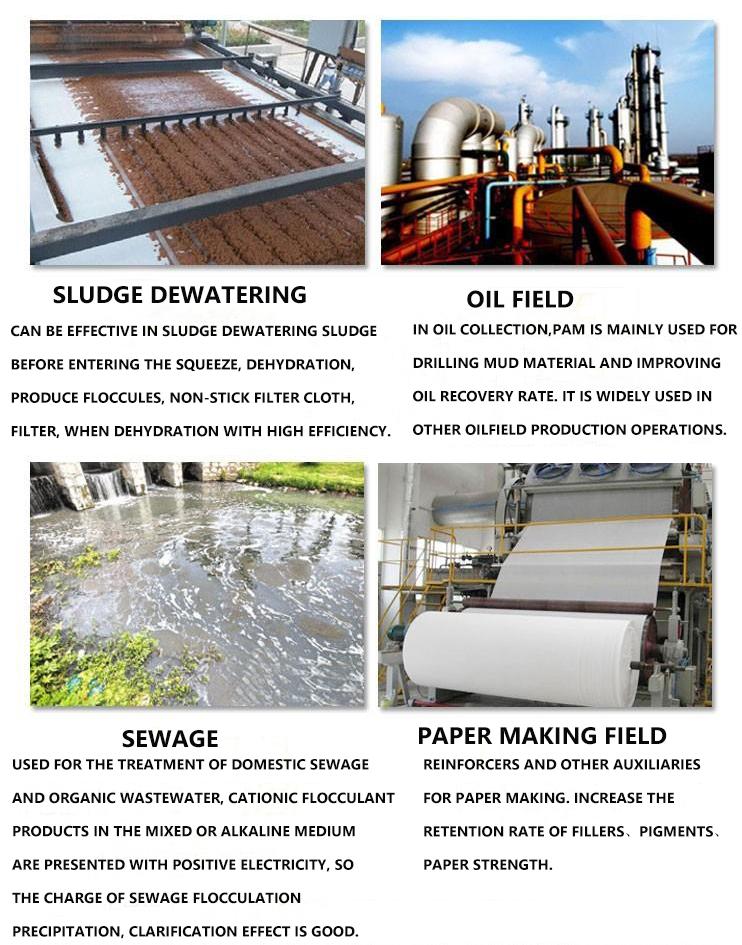
is a synthetic water-soluble polymer that has a wide range of applications in the oil and gas industry. In the oil field, PAM is used as a drilling fluid additive, a viscosity modifier, a friction reducer, and a flocculant.
PAM can modify the viscosity of oil and water-based fluids. When added to an oil-based fluid, it can increase the viscosity and provide better lubricity. When added to a water-based fluid, it can decrease the viscosity and improve the fluid's flow properties.